
Maintaining a balanced lifestyle often starts from within. In recent years, the scientific community and wellness enthusiasts alike have turned their attention toward the microbiome—the complex ecosystem of trillions of microorganisms living in our digestive tract. Understanding how to support this system through a probiotic diet is one of the most effective ways to promote long-term vitality and digestive comfort.
This article explores the mechanisms of beneficial bacteria, the role of fermented foods, and how high-quality supplementation can bridge the gap in a modern, fast-paced world.
What is a Probiotic-Focused Lifestyle?
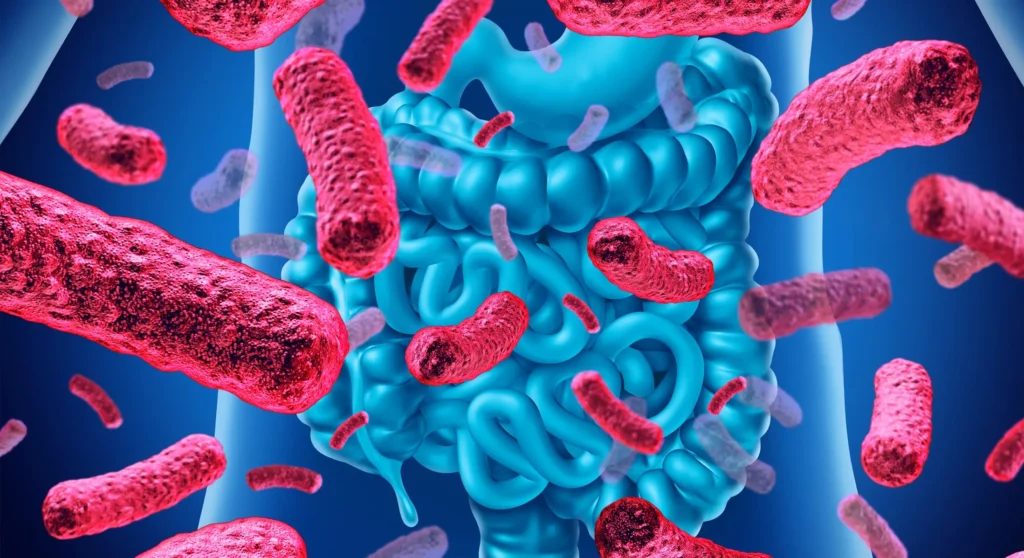
A probiotic diet is not a restrictive regimen but rather a nutritional strategy centered on consuming live “friendly” bacteria and yeasts. These microorganisms are similar to those naturally found in the human body. When consumed in adequate amounts, they help maintain the natural balance of microflora in the gut, which can be disrupted by factors like stress, poor diet, or environmental changes.
By incorporating specific foods and professional-grade supplements, you are essentially “reseeding” your digestive system to favor a more balanced environment.
Who Can Benefit from Gut Health Support?
Focusing on gut health is indicated for individuals looking to:
- Support a more efficient digestive process.
- Maintain a healthy immune system response.
- Improve nutrient absorption from daily meals.
- Enhance overall energy levels and skin vitality.
- Seek specialized support, such as probiotics for women, to maintain delicate internal flora balance.
How Probiotics Work: The Science of Balance
Our digestive tract is a battleground where “good” and “bad” bacteria constantly compete for space. Probiotics work by colonizing the gut lining, creating a barrier that supports the body’s natural defenses. They assist in breaking down complex carbohydrates and fibers that the human body cannot digest on its own.
Furthermore, the introduction of prebiotics—non-digestible fibers found in foods like garlic, onions, and bananas—is crucial. Prebiotics act as “fuel” for the probiotics, ensuring they remain active and effective. Without enough prebiotics, even the best probiotic strains may struggle to thrive.
Top Food Sources for Natural Support
While many people are familiar with commercial fermented drinks like yakults, a truly diverse probiotic diet includes various traditional and modern fermented options:
- Kefir: This fermented milk drink is a powerhouse of diversity. Unlike traditional yogurt, kefir is made using “grains” that contain a wider variety of bacteria and yeast strains.
- Kefir Yogurt: For those who prefer a thicker consistency, kefir yogurt provides a creamy texture while maintaining the potent microbial profile of the fermentation process.
The Role of Specialized Supplementation

Even with a perfect diet, daily stressors can impact our internal balance. This is where clinically tested supplements become invaluable. They offer standardized dosages of specific strains that are often difficult to get from food alone.
1. Wellaray – Advanced Probiotics
Editor’s Choice
Wellaray offers a specialized formula focused on high-CFU (Colony Forming Units) delivery, specifically engineered to withstand the stomach’s natural acidic environment. This ensures that the beneficial bacteria reach the gut where they are most needed.
- Supports a resilient digestive tract.
- May help reduce the feeling of occasional bloating.
- Promotes a sense of natural energy and mental clarity.
- Aids in maintaining comfort and quality of rest.
2. Bioma Probiotics
Highly Personalized
Bioma Probiotics takes a targeted approach to microbiome health. By focusing on the synergy between specific bacterial strains and fiber, it supports metabolic efficiency and overall digestive harmony.
- Aids in maintaining a balanced internal environment.
- Supports metabolic health and steady energy levels.
- May favor better nutrient absorption and reduced inflammation.
- Contributes to a healthy BMI and waist comfort.
Medical Disclaimer: This content is for informational purposes only. These statements have not been evaluated by the Food and Drug Administration. These products are not intended to diagnose, treat, cure, or prevent any disease. Always consult your physician before starting any new supplement regimen.
Composition: What’s Inside a Quality Supplement?
- Lactobacillus Strains: These are often used to support the small intestine and are particularly popular in probiotics for women.
- Bifidobacterium Strains: Primarily located in the large intestine, these strains support regular bowel movements and comfort.
- Saccharomyces boulardii: A beneficial yeast that helps protect the gut barrier.
- Inulin (Prebiotic): Often added to provide the necessary “food” for the bacteria to thrive immediately upon ingestion.
Usage and Recommendations
For those starting a probiotic diet or supplement routine:
- Consistency: Take your supplement at the same time every day, preferably with a light meal.
- Hydration: Drink plenty of water to help the fibers (prebiotics) move through your system.
- Storage: Check if your product requires refrigeration or if it is “shelf-stable.”
Disclaimer: Always consult a healthcare professional before starting a new supplement, especially if you have underlying health conditions.
Why These Options Stand Out
In a market flooded with generic options, Bioma Probiotics and Wellaray distinguish themselves through rigorous testing and strain transparency. They avoid unnecessary fillers and focus on “survival rates,” ensuring the bacteria reach the lower digestive tract where they are needed most.
Real-World Perspectives
Individual experiences from our community of wellness enthusiasts.
“I started adding more fermented foods and a daily capsule, and I feel much lighter after meals. It’s a subtle but powerful shift in my daily comfort.”
“Focusing on specific probiotic strains made a huge difference in my overall energy levels throughout the afternoon. No more heavy post-lunch sluggishness.”
“The Bioma personalized approach is what sold me. I noticed that maintaining gut balance really helped me feel more consistent with my fitness goals.”
“I was skeptical about high-CFU supplements, but Wellaray changed my mind. My digestive rhythm feels more predictable and comfortable now.”
FAQ: Frequently Asked Questions
1. Can I get all my probiotics from food? While foods like kefir and kefir yogurt are excellent, supplements provide concentrated, specific strains that are tested for survival through the digestive process.
2. Are probiotics safe for everyone? Most people can enjoy probiotics safely. However, those with compromised immune systems should consult a doctor first.
3. How long does it take to see results? Consistency is key. Most people report a sense of improved balance within 2 to 4 weeks of daily use.
Investing in Your Inner Health
A probiotic diet is one of the most proactive steps you can take for your long-term well-being. By combining traditional fermented staples—like kefir and prebiotics—with advanced supplements like Wellaray or Bioma Probiotics, you create a comprehensive support system for your body.
Important Notice: This content is for informational purposes only and does not replace the advice of a healthcare professional. Consult a specialist before starting any supplement.